
Enhance your smart infrastructure security process with our step-by-step guide. Learn to prevent breaches effectively in ASEAN smart cities today!

Streamline smart infrastructure security: a step-by-step guide

TL;DR:
- Many ASEAN smart city projects lack proper cybersecurity frameworks, leading to frequent breaches. Effective security requires standardized assessments, layered sensor deployment, and continuous monitoring. A hybrid approach utilizing edge AI and centralized oversight is recommended for resilient infrastructure security.
ASEAN smart cities are expanding faster than their security frameworks can keep pace. 67% of ASEAN smart city projects lack proper cybersecurity frameworks, and 38% have already experienced breaches. For security decision-makers, those numbers represent real exposure across utility grids, transportation hubs, and public safety systems. A smart infrastructure security process is a structured, repeatable method to prevent, detect, and respond to attacks using layered sensor coverage, standards-based controls, and continuous monitoring. This guide walks you through the full process: from gap assessment and prerequisite gathering, through step-by-step execution and ongoing verification, with practical examples grounded in the ASEAN operating environment.
Table of Contents
- Assessing your smart infrastructure security gaps
- Gathering tools and prerequisites for sensor-driven security
- Executing a step-by-step security process for smart infrastructure
- Verifying, monitoring, and optimizing security with advanced sensors
- Is decentralization the future of smart infrastructure security?
- Next steps: accelerate your security transformation
- Frequently asked questions
Key Takeaways
| Point | Details |
|---|---|
| Align with standards | Use IEC 62443 and NIST frameworks to benchmark and close security gaps in your smart infrastructure. |
| Deploy unified sensors | Integrate CCTV, IoT devices, and alarms for real-time threat awareness and coordinated attack response. |
| Embrace edge and federated AI | Leverage decentralized security to improve detection accuracy and reduce operational costs. |
| Continuous verification | Routinely test, monitor, and optimize your sensor systems to adapt to new threats and regulatory needs. |
| ASEAN focus | Tailor your process for the unique operational challenges in Southeast Asia's rapidly evolving smart cities. |
Assessing your smart infrastructure security gaps
With a sense of urgency established, start by evaluating your current vulnerabilities and readiness. A structured gap analysis gives you a defensible baseline and identifies exactly where sensor coverage, policy controls, or architectural design fall short.
Start with a recognized standard. The IEC 62443 zone-and-conduit model is the benchmark for industrial control system (ICS) security. It groups connected assets into security zones based on criticality and risk level, then defines conduits, which are the communication paths between zones, each with specific security level requirements. Mapping your infrastructure against this model immediately reveals which assets are over-exposed and which communication paths lack proper segmentation or monitoring.
NIST SP 800-82 and the compliance frameworks in ASEAN add a governance and lifecycle perspective. They cover risk identification, architectural review, access control policies, and incident response planning. Together, IEC 62443 and NIST SP 800-82 form a practical benchmark for any ASEAN smart city operator.
Benchmark your current coverage. Walk through three dimensions: security zones, critical asset points, and sensor coverage density. For each, ask whether your current configuration meets the security level required under IEC 62443, and whether sensing systems compliance documentation exists to prove it.
| Security process requirement | Typical gap scenario |
|---|---|
| Zone segmentation (IEC 62443) | Flat network architecture with no conduit controls |
| Sensor coverage at critical nodes | Camera blind spots at perimeter entry points |
| IAM and access control policies | Shared credentials across OT and IT teams |
| Continuous monitoring and alerting | Manual log reviews with no real-time alert triggers |
| Incident response procedures | Documented plans exist but are untested in drills |
| Data privacy and retention policies | Sensor data stored indefinitely without classification |
Common gaps in ASEAN smart city deployments are predictable once you know what to look for. Based on the finding that 38% of projects experienced breaches, the most frequently encountered gaps include:
- No formal zone-and-conduit architecture applied to OT networks
- Insufficient LiDAR or fence sensor coverage at secondary perimeter points
- IT and OT networks sharing the same firewall rules without separation
- Absence of a Security Operations Center (SOC) for 24/7 alert triage
- Inconsistent firmware update schedules across IoT edge devices
- No formal process to assess urban planning security gaps as city infrastructure expands
Pro Tip: Before investing in any new sensor hardware, run a standards-based self-assessment using the IEC 62443 Security Level Target (SL-T) worksheets. Many vendors provide free tools. This assessment typically takes two to three days and produces a written gap register you can use to justify procurement decisions and prioritize remediation sequencing.
Gathering tools and prerequisites for sensor-driven security
Once you know your current security posture, gather the right building blocks for a robust process. Skipping this stage is the most common reason smart city security projects stall or produce fragmented coverage.
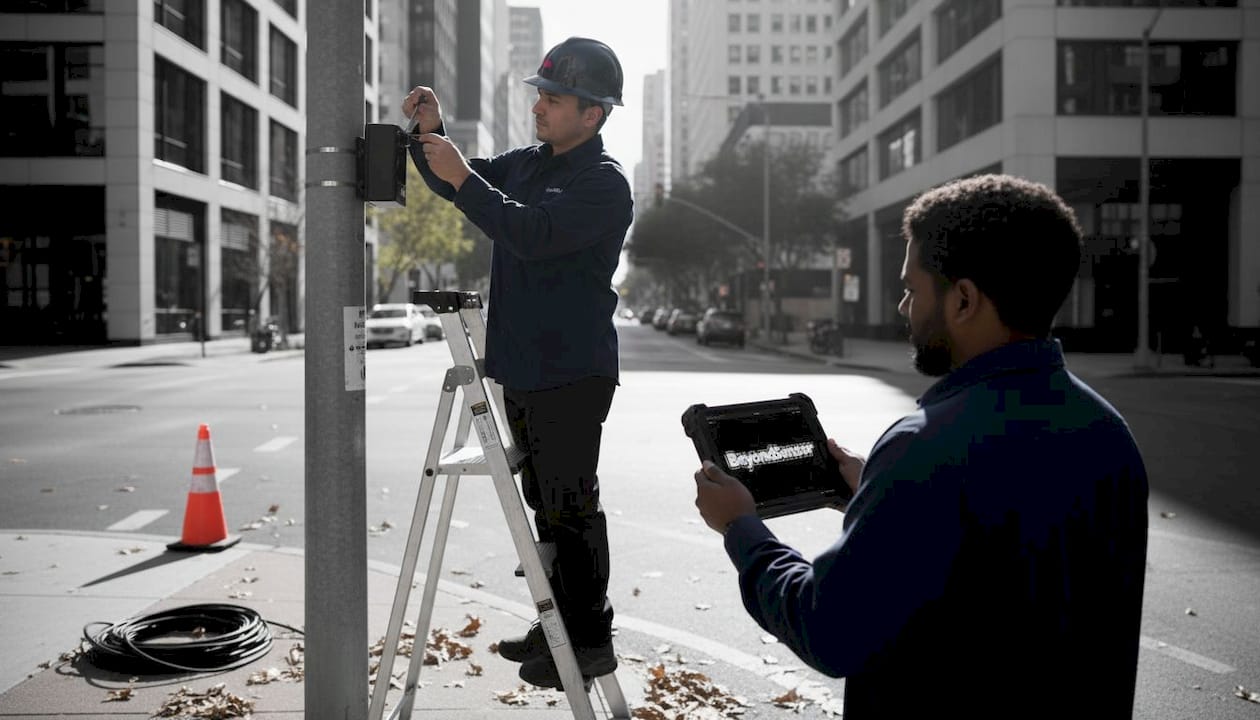
Required hardware for a sensor-first architecture in ASEAN deployments typically includes AI-powered CCTV cameras for visual surveillance, LiDAR sensors for precise perimeter intrusion detection and spatial mapping, fence vibration sensors for physical breach detection, IoT environmental monitors for utility infrastructure, and alarm systems integrated with the central monitoring platform. The exact mix depends on your infrastructure profile, whether you're securing an MRT hub, a water treatment facility, or a smart district grid.
PSIM systems, which stands for Physical Security Information Management, unify CCTV, sensors, and alarm systems into a single real-time operational picture. They enable coordinated detection and response across multiple sensor types, which is critical when a threat involves both physical access and a simultaneous network intrusion.
| Sensor type | Primary use case in ASEAN smart cities |
|---|---|
| AI-powered CCTV | License plate recognition, crowd analytics, behavioral anomaly detection |
| LiDAR | Precise perimeter mapping, vehicle classification, 3D spatial awareness |
| Fence vibration sensors | Physical breach detection at critical infrastructure perimeters |
| IoT environmental monitors | Temperature, humidity, and air quality monitoring in utility facilities |
| Acoustic sensors | Gunshot detection, glass break alerts in public spaces |
| GPS trackers | Fleet and asset tracking across distributed city infrastructure |
Team and skill prerequisites are equally important. Effective sensor-driven security requires active collaboration between IT and OT teams, roles that historically operate under different protocols and priorities. You need a designated Security Operations Center, either in-house or managed, with staff trained on both cyber and physical threat response.
The CERT-In Smart City Guidelines provide a clear policy framework covering IoT security configuration standards, network security requirements, Identity and Access Management (IAM) policies, data privacy rules, and continuous monitoring protocols. Using this framework as your policy baseline ensures your organization meets recognized requirements before sensor rollout begins.
Prerequisite checklist for a sensor-first security process:
- Completed IEC 62443 gap analysis with a written gap register
- Network segmentation plan separating OT, IoT, and IT environments
- IAM policy defining role-based access for all sensor management systems
- SOC onboarded with alert runbooks for common incident types
- Data privacy classification scheme for all sensor-generated data streams
- Vendor agreements with defined SLAs for sensor hardware and firmware support
- Staff training on physical security best practices and emergency procedures
- Inventory of all existing sensor technologies for security currently deployed
Executing a step-by-step security process for smart infrastructure
With your prerequisites in place, you can now execute an effective, standardized process. The sequence matters. Skipping steps, especially risk assessment and segmentation, leaves gaps that sophisticated threat actors actively exploit.
Step-by-step execution process:
-
Conduct a formal risk assessment. NIST SP 800-82 lifecycle guidance defines risk assessment as the foundation of any OT/ICS security program. Document asset inventories, identify threat scenarios, assess impact and likelihood, and prioritize remediation based on risk score.
-
Apply zone-and-conduit segmentation. Based on your IEC 62443 gap analysis, redesign your network architecture to isolate critical OT systems from general IT and IoT networks. Define conduit rules for each inter-zone communication path and assign security levels.
-
Execute the sensor rollout in phases. Begin with the highest-risk perimeter and critical asset points identified during gap analysis. Deploy LiDAR and fence sensors at the physical perimeter first, then expand CCTV coverage to secondary access points and internal corridors.
-
Configure sensors to organizational policies. Apply the CERT-In IoT security configuration standards: disable default credentials immediately, enforce encrypted communication protocols, apply firmware updates before devices go live, and register each device in your asset management system.
-
Integrate with PSIM and SOC platforms. PSIM integration connects all sensor feeds, alarms, and CCTV streams into a single operational view. Configure automated alert rules for each sensor type and verify that the SOC team receives, triages, and escalates alerts within defined response time windows.
-
Activate continuous monitoring. Connect sensor analytics to your optimizing security workflows platform. Set baseline behavioral patterns and configure anomaly thresholds that trigger automatic escalation.
-
Test incident response. Run a tabletop exercise simulating a perimeter breach combined with an attempted OT network intrusion. Verify that response procedures, communication chains, and escalation paths work as documented.
Pro Tip: Automate continuous monitoring using AI-powered video analytics and behavioral anomaly detection engines. These tools process sensor feeds around the clock without operator fatigue, flagging only genuine anomalies for human review. This exception-based monitoring approach dramatically reduces alert fatigue in high-volume environments.
The urgency of execution cannot be overstated. Given that 38% of ASEAN smart city projects have experienced breaches, each week of delayed rollout represents continued exposure across critical systems. Teams that treat sensor deployment as a low-priority infrastructure task consistently underestimate the probability of targeted attacks during transition periods. The importance of advanced sensors in this execution phase cannot be overstated: they are not supplemental additions but the primary detection layer in a modern smart city security model.
Verifying, monitoring, and optimizing security with advanced sensors
Implementing sensors isn't enough. Proactive monitoring and regular review are vital for long-term resilience. A deployed sensor network that isn't continuously verified drifts from its intended security posture within months, particularly in ASEAN environments where infrastructure expands rapidly and threat landscapes evolve.
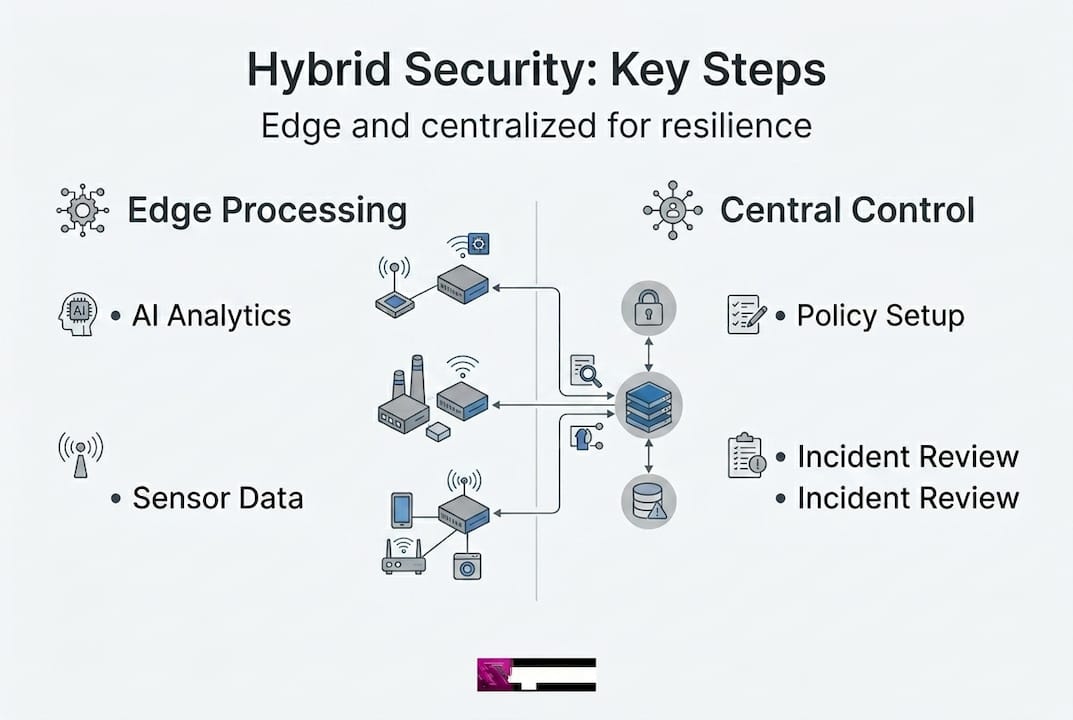
Best practices for ongoing monitoring center on three capabilities: edge AI processing, federated learning models, and SOC operations.
Edge AI processes sensor data locally at the device level, reducing the latency associated with sending raw video or sensor feeds to a central server. Decentralized edge cybersecurity achieves 94 to 98% detection accuracy while significantly reducing network overhead and response time. In a smart city context, this means a perimeter breach can trigger a local alert and lock response within milliseconds, before any central system even receives the notification.
Federated learning takes this further by training threat detection models across distributed sensor nodes without sharing raw data centrally. This approach directly addresses data privacy concerns common in ASEAN regulatory environments.
"Federated intrusion detection systems for edge 6G IoT and cyber-physical systems achieve over 93% detection accuracy while delivering 60% energy savings compared to centralized alternatives, making them highly viable for resource-constrained smart city sensor networks."
Continuous verification actions your team should schedule and enforce:
- Quarterly penetration tests targeting both cyber and physical access vectors
- Monthly sensor health checks confirming coverage, calibration, and communication integrity
- Quarterly data privacy audits reviewing retention schedules and access logs
- Bi-annual incident response drills involving SOC, IT, and OT stakeholders
- Annual review of IEC 62443 security level assignments as infrastructure changes
- Real-time sensor security tips integration into SOC operator runbooks
The case for 24/7 SOC operations and quarterly penetration testing is well-established in smart city breach analysis. Most successful attacks exploit gaps that routine testing would have identified weeks or months earlier.
| Key metric | Recommended verification frequency |
|---|---|
| Sensor uptime and coverage integrity | Continuous, automated |
| Alert response time (SOC) | Continuous, logged per incident |
| Penetration test results | Quarterly |
| Firmware and patch compliance | Monthly review, patches within 72 hours of release |
| Data privacy and retention audit | Quarterly |
| IEC 62443 security level reassessment | Annually or after major infrastructure changes |
| Incident response drill results | Bi-annual |
Is decentralization the future of smart infrastructure security?
The shift toward edge and federated processing reflects a real architectural evolution, but it introduces trade-offs that ASEAN decision-makers must evaluate honestly. Centralized security models dominated for a decade because they offered simpler management, unified visibility, and easier compliance reporting. The problem is latency. Centralized architectures struggle to deliver real-time response in geographically distributed smart city environments.
Edge processing reduces latency significantly but increases device-level attack surfaces. Every edge AI node that processes data locally is also a potential point of physical tampering or firmware compromise. Federated learning balances privacy and performance, but it requires sophisticated model governance that most public sector security teams in ASEAN are still building capacity for.
Our perspective is that a hybrid architecture is the most pragmatic path for the next three to five years. Use edge AI for real-time alerting and local response. Use centralized PSIM and SOC platforms for correlation, audit, and strategic oversight. Design your end-user IoT security strategies to accommodate both layers, and ensure your team has the skills to manage each independently. Decentralization is directionally correct, but pure decentralization without strong device governance creates new risks faster than it eliminates old ones.
Next steps: accelerate your security transformation
The process outlined in this guide represents the current standard for smart infrastructure security in ASEAN. Executing it well requires more than a checklist; it requires validated technology partners with regional expertise and proven integration experience.

BeyondSensor supports ASEAN governments, system integrators, and infrastructure operators across Singapore, Malaysia, and the Philippines with advanced AI-enabled sensors, edge analytics platforms, and end-to-end security integration. Our AI solutions for system integrators cover the full lifecycle from gap analysis through SOC-connected monitoring. Explore our BeyondSensor tools to evaluate sensor coverage scenarios, calculate security zone requirements, and connect with qualified regional partners ready to accelerate your deployment.
Frequently asked questions
What is a smart infrastructure security process?
It's a systematic approach to securing networked infrastructure using layered sensor controls, IAM policies, and continuous monitoring protocols across interconnected smart city components. The process covers risk assessment, segmentation, sensor deployment, integration, and ongoing verification.
Which sensor technologies are most critical for ASEAN smart cities?
AI-powered CCTV, LiDAR, GPS trackers, and fence sensors are widely deployed across ASEAN for surveillance, traffic management, and coordinated threat response, based on ASEAN Smart Cities Network priorities. The right mix depends on your infrastructure type and threat profile.
How effective is decentralized cybersecurity for sensor networks?
Edge approaches achieve 94 to 98% detection accuracy, while federated systems deliver 93%+ accuracy with 60% energy savings compared to centralized models. Both outperform traditional centralized architectures in latency and real-time response.
How often should we verify smart infrastructure security?
Quarterly penetration tests and 24/7 SOC monitoring are the recognized minimum standard for smart city deployments. Monthly sensor health checks and bi-annual incident response drills should supplement these activities.
Recommended
- Physical security best practices: strategies for safer facilities | News | BeyondSensor
- Essential security checklist for infrastructure: 18 safeguards | News | BeyondSensor
- Step-by-Step Security Integration: Advanced Sensor Guide | News | BeyondSensor
- Optimize physical security workflows with advanced sensors | News | BeyondSensor
Read More Articles
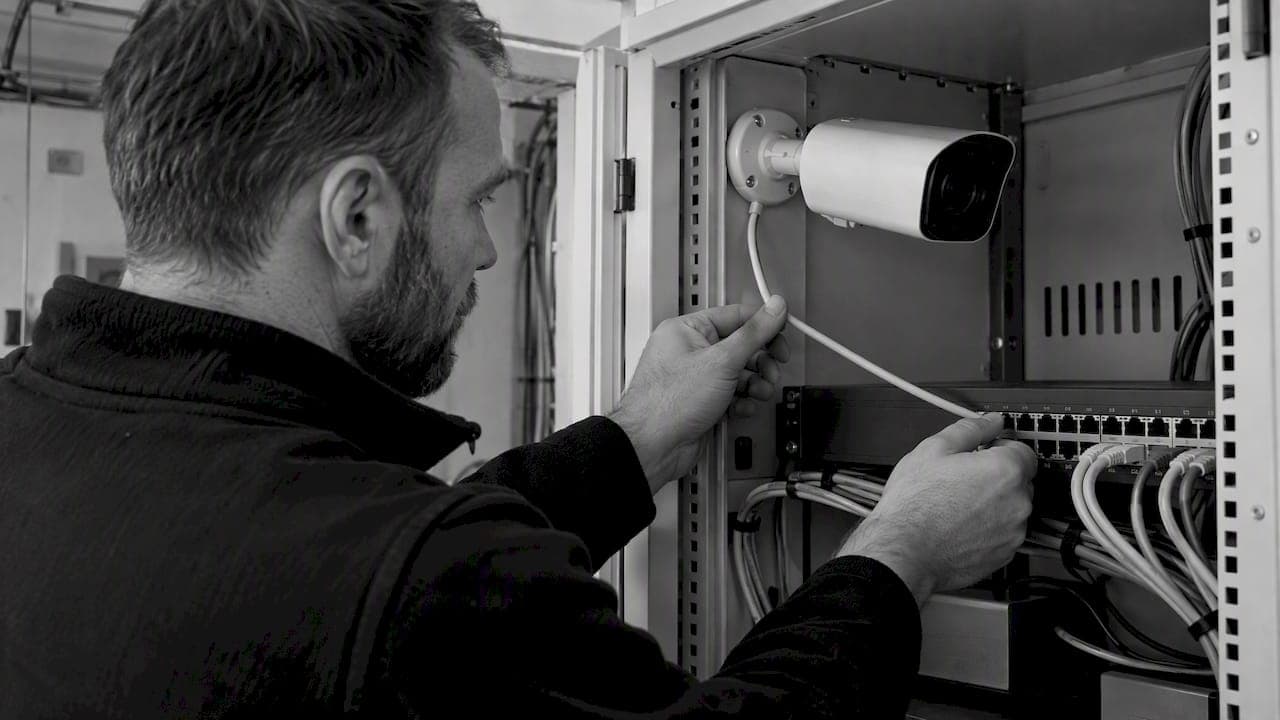
RTSP Security Risks: Integrators Must Block Exposed Ports 554 and 8554
See how integrators can reduce RTSP security risks: close exposed ports 554 and 8554, secure camera access, and verify each deployment with practical checks.

Require MAEpp and X Accuracy Before You Buy People Counting Systems
Verify people counting accuracy by demanding MAEpp, X Accuracy, and directional-bias reports. Validate on-site with at least 100 events per direction...
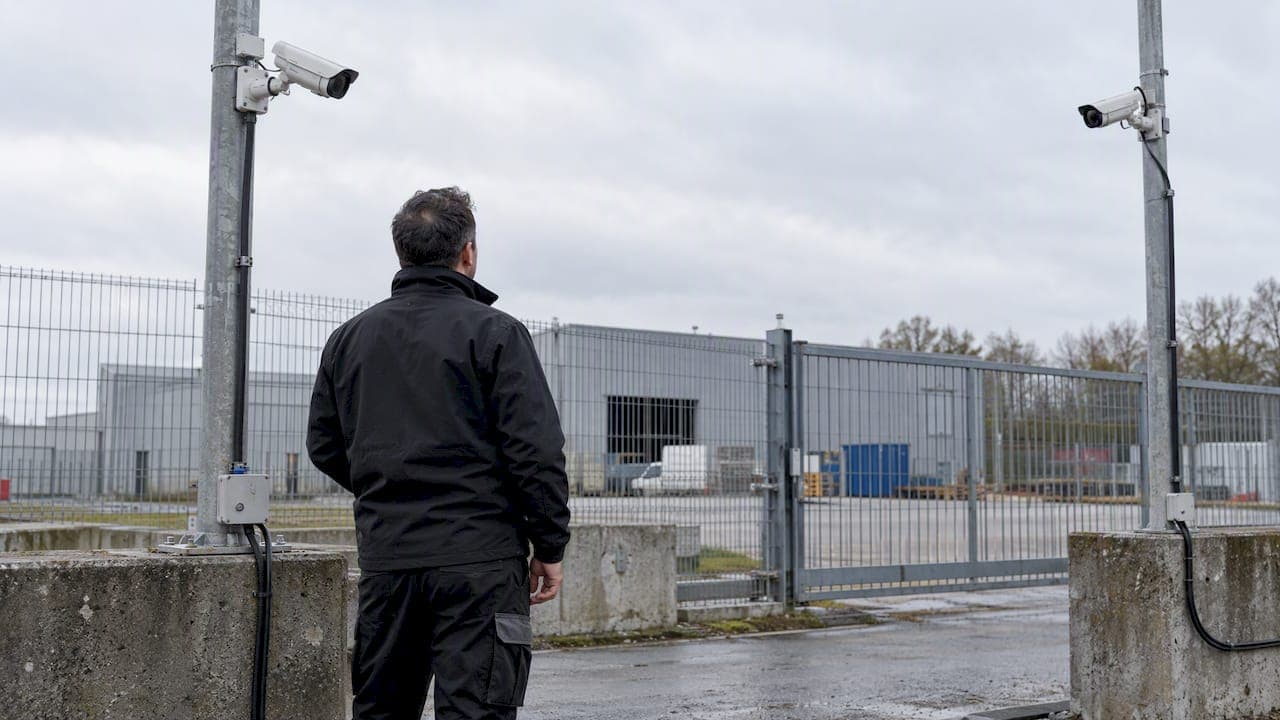
30–90 Day Pilot Validates Redundant Camera Networks for Engineers
Standards led, practical steps for engineers to deploy redundant camera networks: MRP, dual homing, and aggregation patterns, commissioning checks, and...
30 Day Pilot Proves Video Analytics Accuracy for Security Teams
Validate video analytics accuracy with scenario tests, camera tuning, transfer learning and a 30 day edge first pilot for security teams.
Let's Build YourSecurity Ecosystem.
Whether you're a System Integrator, Solution Provider, or an End-User looking for trusted advisory, our team is ready to help you navigate the BeyondSensor landscape.
Direct Advisory
Connect with our regional experts for tailored solutioning.