
Discover evidence-backed sensor-based security tips for Southeast Asian security managers. Learn how to evaluate, deploy, and optimize sensor systems for compliance and operational safety in 2026.
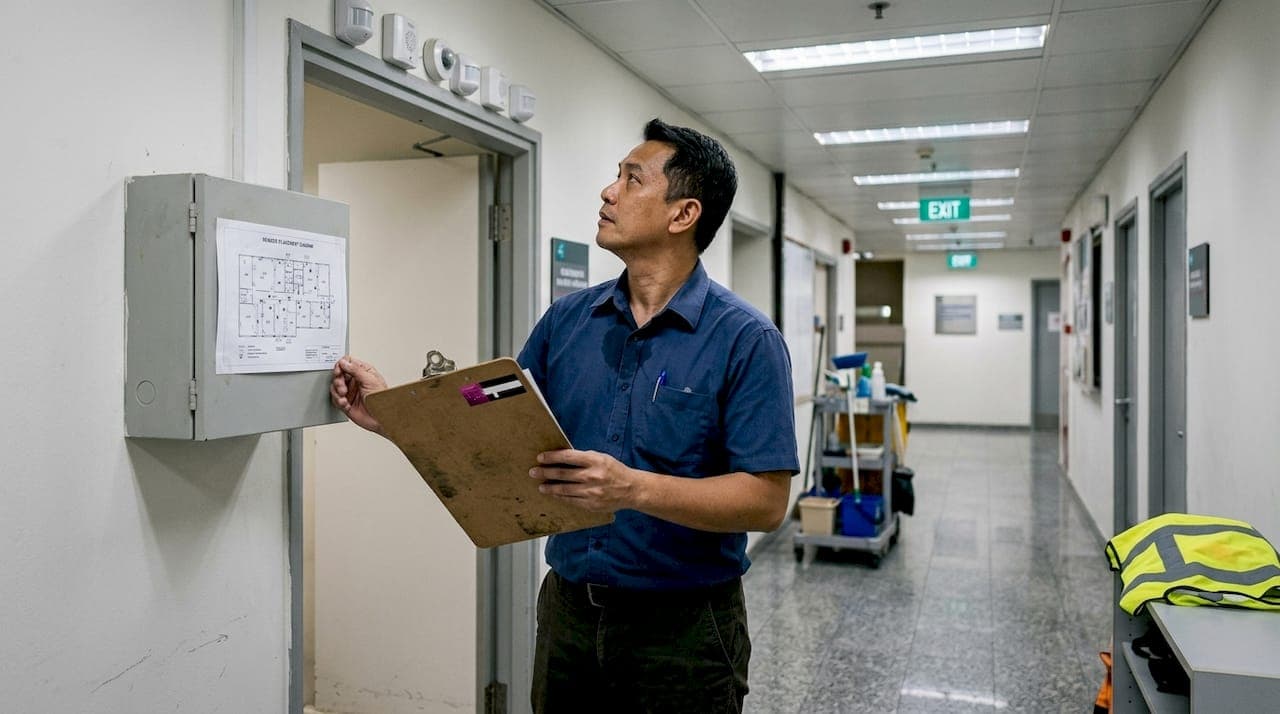
Top sensor security tips for safety & compliance 2026
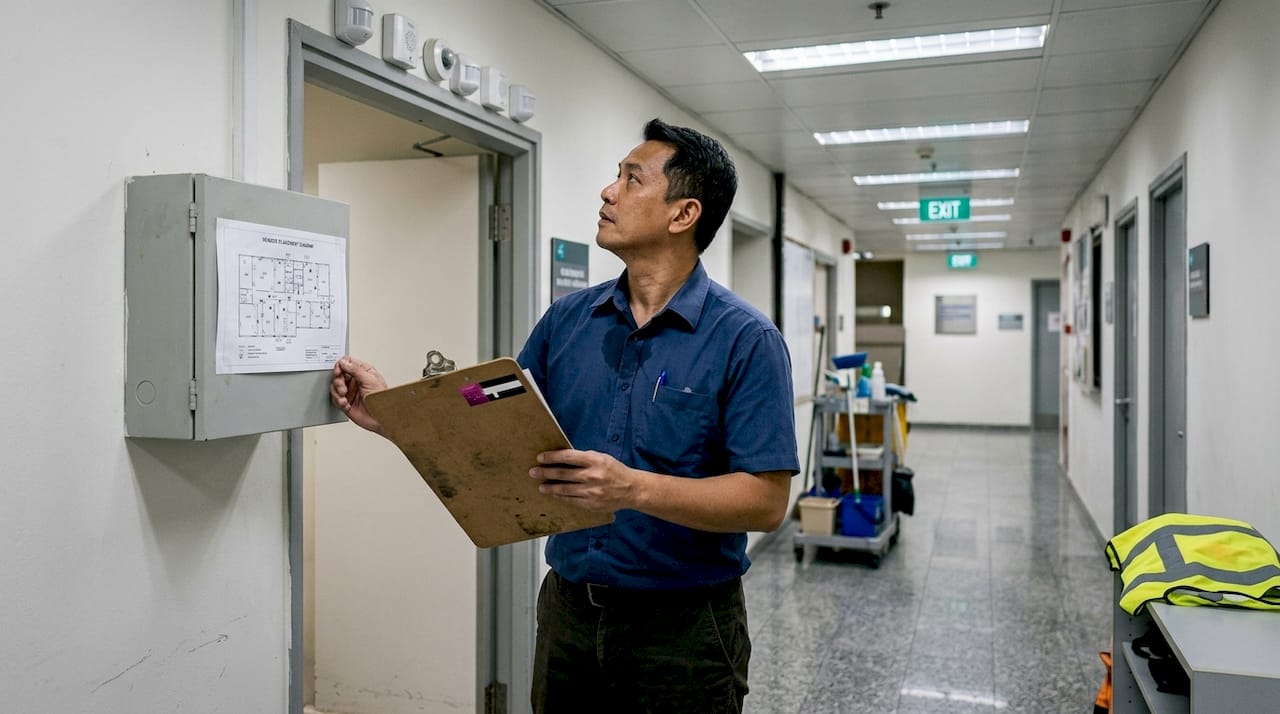
TL;DR:
- Southeast Asian security requires environment-specific sensor selection and proper integration to avoid false alarms.
- Integrated sensor systems with CCTV and alarm platforms significantly improve detection and response efficiency.
- Ongoing compliance, staff training, and future-ready systems are critical for maximizing security ROI.
Security managers across Southeast Asia face a sharper challenge than ever. Threat landscapes are shifting, sites are growing more complex, and regulators are tightening requirements in Singapore, Malaysia, the Philippines, and beyond. Choosing the wrong sensor-based system does not just mean a missed alert. It means lost assets, failed audits, and reputational damage that compounds fast. This article walks through evidence-backed criteria, sensor selection, integration strategies, and compliance practices that give security directors a clear, actionable path forward.
Table of Contents
- Establishing your sensor-based security criteria
- Key sensor types and smart deployment practices
- Comparing sensor integration strategies
- Ensuring compliance and future-readiness
- The real ROI of smart sensor-based security: What most overlook
- Upgrade your sensor security with BeyondSensor
- Frequently asked questions
Key Takeaways
| Point | Details |
|---|---|
| Sensor placement matters | Mounting sensors correctly sharply reduces false alarms and boosts detection. |
| Integration increases security | Linking sensors with alarms and CCTV improves response times and accuracy. |
| Compliance saves money | Following regulations prevents costly audits and operational interruptions. |
| Future-proofing is critical | Choose scalable, upgradable sensor systems to keep up with evolving threats. |
Establishing your sensor-based security criteria
Before you evaluate a single product, you need a documented set of criteria that reflects your operational reality. Generic checklists built for temperate climates or low-density sites will fail you in Southeast Asia's heat, humidity, and dense vegetation. Start with what you actually need to protect and what regulators actually require.
Key criteria to define before engaging any vendor:
- Detection accuracy: What is the acceptable false alarm rate for your site? High-traffic commercial zones need tighter thresholds than remote industrial perimeters.
- Integration capability: Can the sensor communicate with your existing alarm panels, CCTV infrastructure, and access control systems?
- Scalability: Will the system support additional sensors as your site footprint grows, without requiring a full re-architecture?
- Ease of use: Can your existing security team operate and maintain the system, or does it require specialized technicians on-site?
- Local regulatory compliance: Does the system meet the specific data handling, certification, and installation standards required in your country of operation?
One of the most overlooked factors in Southeast Asia is environmental interference. Tropical heat causes thermal drift in passive infrared (PIR) sensors, and local wildlife ranging from monitor lizards to large birds can trigger motion events. False alarms are often caused by improper sensor placement, and in high-volume environments, those alarms erode operator confidence fast. When operators stop trusting alerts, real threats get missed.
Pro Tip: Before finalizing your sensor shortlist, map the thermal and biological activity patterns on your site. A site survey conducted at different times of day and across seasons will reveal interference sources that a vendor demo will never show you.
Also plan for alarm integration from day one. Many security teams add sensors first and integrate alarms later, which creates gaps in the detection chain and complicates compliance documentation. Reviewing a solid compliance guide early in the procurement process saves significant rework downstream. Common pitfalls include ignoring manufacturer mounting recommendations and failing to document the integration architecture before installation begins.
With security needs established, the next step is to select sensor types that address these criteria.
Key sensor types and smart deployment practices
Not all sensors are equal, and the right choice depends on your environment, threat profile, and budget. Here is a practical overview of the leading types used across Southeast Asian security operations.
PIR (passive infrared) detectors detect body heat movement and are the most widely deployed sensor type for indoor and perimeter security. They are cost-effective and reliable when installed correctly. Microwave sensors emit and detect reflected microwave signals, making them effective through walls and in outdoor environments where PIR performance degrades. Dual-tech sensors combine PIR and microwave detection, requiring both to trigger simultaneously. This dramatically reduces false alarms and is increasingly the preferred choice for high-value sites. Environmental sensors monitor temperature, humidity, smoke, and gas, which are critical for industrial and data center applications across the region.

Deployment best practices matter as much as sensor selection. PIR detectors should be mounted at 2 to 2.5 meters in corners, away from heat sources, for optimal results. Angling sensors to cover the widest detection zone without pointing directly at HVAC vents or windows facing west is essential in tropical environments. Integrating PIR sensors with CCTV and alarm systems increases detection precision by 20 to 30%, turning a passive alert into a verified, actionable event.
Pro Tip: Integrate sensor outputs with smart analytics platforms to further reduce false alarms. Platforms that use AI-based filtering can distinguish between a human intruder and a passing animal, cutting nuisance alerts by a significant margin and allowing your team to focus on real threats. Explore sensor deployment for agencies to see how this works at scale.
Quick deployment checklist for new sites:
- Conduct a full site survey including thermal mapping and environmental risk assessment.
- Define detection zones and document expected traffic patterns.
- Select sensor types matched to each zone's specific threat and environmental profile.
- Follow manufacturer mounting height and angle specifications precisely.
- Integrate sensors with alarm and CCTV systems before going live.
- Test all detection zones under real-world conditions, including night and peak heat periods.
- Document the full configuration for compliance records.
For sites with complex or non-standard layouts, custom sensor solutions consistently outperform off-the-shelf configurations. Once familiar with sensor types and deployment best practices, it is essential to compare which integration approaches fit your scenario.
Comparing sensor integration strategies
Standalone sensors provide basic detection. Integrated systems provide security intelligence. The difference in operational outcome is significant, and the data supports investing in integration from the start.
| Factor | Standalone sensors | Integrated sensor systems |
|---|---|---|
| Detection rate | Baseline | 20 to 30% higher |
| False alarm rate | Higher | Significantly reduced |
| Response time | Manual, slower | Automated, faster |
| Compliance documentation | Manual, fragmented | Centralized, audit-ready |
| Upfront cost | Lower | Moderate to higher |
| Long-term operational cost | Higher (labor-intensive) | Lower (automated workflows) |
Unified platforms that centralize sensor data, alarm management, and video verification give security directors a single operational view. This is not just a convenience. In Southeast Asian operations where teams often manage multiple sites across different countries, centralized monitoring is a force multiplier.
"Integration with CCTV and alarm systems improves detection precision by 20 to 30%, turning isolated sensor events into verified, actionable intelligence."
From an architecture standpoint, most Southeast Asian operations benefit from a hybrid integration model. Edge processing handles real-time detection and local alerts, while cloud-based platforms aggregate data for analytics, reporting, and compliance. This approach keeps latency low for critical alerts while enabling the data visibility that regulators increasingly require.
For organizations operating across Singapore, Malaysia, and the Philippines simultaneously, aligning your integration architecture with compliance standards for sensors across each jurisdiction is non-negotiable. A system that is compliant in one market may require configuration changes in another. Plan for this at the architecture stage, not after deployment. With integration methods outlined, next is aligning sensor-based strategies with compliance and local regulatory needs.
Ensuring compliance and future-readiness
Compliance is not a one-time checkbox. It is an ongoing operational discipline, and sensor-based systems sit at the center of it for most physical security operations in Southeast Asia.
Common compliance pitfalls to avoid:
- Incomplete installation records: Regulators require documented proof of sensor placement, configuration, and testing.
- Outdated firmware: Unpatched sensor firmware can create cybersecurity vulnerabilities that invalidate compliance certifications.
- Inadequate staff training: Operators who do not understand sensor behavior generate more false alarms and slower verified responses.
- No change management process: Adding or relocating sensors without updating compliance documentation creates audit gaps.
- Single-jurisdiction thinking: Teams managing multi-country sites often apply one country's standards across all locations, which creates compliance exposure.
| Compliance status | Audit outcome | Potential fine | Business continuity impact |
|---|---|---|---|
| Fully compliant | Pass, minimal disruption | None | Operations continue unaffected |
| Minor gaps | Conditional pass, remediation required | Low to moderate | Short-term operational adjustments |
| Significant gaps | Fail, mandatory remediation | Moderate to high | Potential site shutdown risk |
| Non-compliant | Regulatory action | Severe | Major business continuity risk |
Future-readiness means selecting systems that can be upgraded through firmware or software rather than full hardware replacement. Sensor platforms with open APIs and modular designs allow you to add capabilities, such as AI-based analytics or new sensor modalities, without starting over. Best practices for reducing false alarms and optimizing sensor integration directly support compliance alignment by keeping your detection data clean and audit-ready.
Schedule compliance audits at least annually and after any significant site change. Use the sensor system compliance steps framework to structure each audit consistently. Pair compliance reviews with staff training refreshers to keep operator knowledge current. Organizations that also explore automation with sensor tech often find that automated workflows reduce the manual compliance burden significantly.
The real ROI of smart sensor-based security: What most overlook
Most security directors evaluate sensor systems on hardware specifications and initial cost. That framing misses where the real return on investment is generated.
The ROI of sensor-based security depends as much on adaptability and staff engagement as on the technology itself. A well-calibrated, integrated system operated by a trained team will consistently outperform a more expensive but poorly deployed alternative. We have seen this pattern repeatedly across Southeast Asian deployments.
"A well-trained team with adaptive sensors saves more in loss prevention than twice the number of static units."
Future-proof systems carry higher upfront costs but deliver lower total cost of ownership over a three to five year horizon. Compliance failures, emergency hardware replacements, and labor-intensive manual monitoring erode savings fast. Culture and compliance discipline are just as critical as hardware selection. The organizations that get the most from sensor security are those that treat it as a living operational system, not a one-time capital purchase. Tailored sensor strategies that account for your specific environment and team capabilities consistently deliver stronger outcomes than generic deployments.
Upgrade your sensor security with BeyondSensor
Moving from best practice to implementation requires a partner who understands the operational and regulatory realities of Southeast Asian security environments.

BeyondSensor delivers advanced sensor-based security platforms purpose-built for the region. From solutions for security agencies managing large multi-site operations to end-user security solutions for facility managers seeking compliance-ready deployments, our ecosystem covers the full spectrum. Our advanced sensor tools simplify integration, accelerate compliance documentation, and scale with your operational needs. With offices across Singapore, Malaysia, and the Philippines, and expanding into Thailand and Vietnam, BeyondSensor brings localized expertise to every engagement.
Frequently asked questions
How can sensor placement minimize false alarms in tropical climates?
Mounting PIR detectors at 2 to 2.5 meters and away from heat sources reduces false alarms. Using dual-tech sensors adds a second verification layer that filters out heat and animal movement common in tropical environments.
Does integrating sensors with alarm and CCTV systems really improve security?
Yes. Integration improves detection by 20 to 30% and enables automated responses that reduce the time between detection and action, which is critical for high-value site protection.
What is the best sensor type for perimeters in Southeast Asia?
PIR detectors are ideal for motion detection in perimeter security, but combining them with microwave or dual-tech sensors significantly increases reliability in the region's challenging thermal and biological environment.
How often should sensor systems be audited for compliance?
Sensor systems should be audited at least annually, and immediately following any significant site change or new regulatory update in your operating jurisdiction.
Recommended
- Security compliance in sensing systems: a step-by-step guide | News | BeyondSensor
- Physical security compliance: standards and sensor tech guide | News | BeyondSensor
- How sensor technology drives smarter industrial automation | News | BeyondSensor
- Why tailored security solutions outperform generic systems | News | BeyondSensor
Read More Articles
Geofencing Alerts for Site Security: Setup Guide for Singapore
How to design geofencing alerts that flag real security events, cut alert fatigue and stay within PDPA and IPA rules at Singapore sites.

CCTV Operator Training in Singapore: Skills, Courses and Costs
What CCTV operator training involves in Singapore: the PRSF course, fees and subsidies, the 31 December 2026 deadline, and skills for AI-assisted control rooms.
Role-Based Access Control: A Practical Guide for Singapore Security Teams
How role-based access control works, where it breaks (role explosion, stale roles), and how to apply it to both cyber and physical security in Singapore.

Security Site Survey: Facility Teams’ Checklist for Funded Fixes
Assess site risks, turn findings into budgeted action, and use field checklists, reporting templates, and PDPA notes for camera and biometric deployments.
Let's Build YourSecurity Ecosystem.
Whether you're a System Integrator, Solution Provider, or an End-User looking for trusted advisory, our team is ready to help you navigate the BeyondSensor landscape.
Direct Advisory
Connect with our regional experts for tailored solutioning.