
Explore 10 real-world industrial automation examples with proven outcomes, from DuPont's 40% programming reduction to 25% cycle time gains, to guide your next project.
10 Real-World Industrial Automation Examples Driving Efficiency
TL;DR:
- Successful automation projects are driven by clear architectural decisions focused on operational objectives.
- Modern systems like ISA-88, EtherNet/IP, and AI-driven fleet management enhance scalability and performance.
- Prioritizing system architecture before technology selection yields better outcomes and reduces project risks.
Choosing where to invest in automation is one of the most consequential decisions manufacturers and industrial operators make. The pressure is real: global competition, tightening labor markets, and rising quality standards leave little room for low-impact projects. Yet not every automation initiative delivers equal results. Some cut cycle times dramatically, others eliminate scrap entirely, and others secure facilities while freeing up your workforce for higher-value work. This article examines industry-proven automation cases, the criteria that make them succeed, and the measurable outcomes you can use as benchmarks for your own operations.
Table of Contents
- Key criteria for evaluating industrial automation projects
- DuPont: Modern batch control with DCS and FactoryTalk
- Semiconductor fabs: Cobots and AI fleet management for 24/7 cleanrooms
- bwm GmbH: Servo upgrades reducing cycle time
- Process, discrete, and hybrid automation: Matching solutions to needs
- Our perspective: Why automation ROI depends on architecture, not ambition
- How BeyondSensor supports your automation and security infrastructure
- Frequently asked questions
Key Takeaways
| Point | Details |
|---|---|
| Phased modernization works | Upgrading legacy control systems step-by-step delivers early ROI while minimizing operational risk. |
| Flexible automation boosts value | Robotics and AI-managed fleets adapt to high-mix environments and elevate both throughput and quality. |
| Standards enable integration | Using industry standards (ISA-88/95) simplifies project integration and supports scalable automation. |
| Choose automation to fit process | Matching discrete, process, or hybrid automation to plant needs ensures optimal performance and investment returns. |
Key criteria for evaluating industrial automation projects
Before committing capital and engineering resources, every automation project deserves a structured evaluation. Without clear criteria, teams often invest in technology that is technically impressive but operationally underwhelming.
The most reliable framework covers six areas:
- Operational objective: Define the specific outcome you need, whether that is higher throughput, fewer defects, lower labor cost, or improved safety.
- Project scope and risk: Identify system boundaries, integration touchpoints, and potential failure modes before procurement.
- Integration standards: Alignment with sensor-driven automation frameworks and standards like ISA-88 and ISA-95 reduces integration friction significantly.
- Scalability: Can the system expand to other lines or facilities without a full redesign?
- ROI timeline: Map expected payback periods against capital cost and projected throughput gains.
- Phased upgrade path: A stepwise migration limits downtime and allows troubleshooting at each stage.
Industrial automation mechanics, including closed-loop control and PLC/DCS networks, form the backbone of most projects. Getting the architecture right from the start prevents costly rework later.
Phased upgrades aligned with ISA-88/95 standards are consistently cited as the most effective method for large-scale modernization. They give teams the ability to validate each phase before committing to the next.
Pro Tip: Map every automation project to a specific KPI before design begins. If you cannot define a measurable success metric upfront, the project scope is not ready for execution.
DuPont: Modern batch control with DCS and FactoryTalk
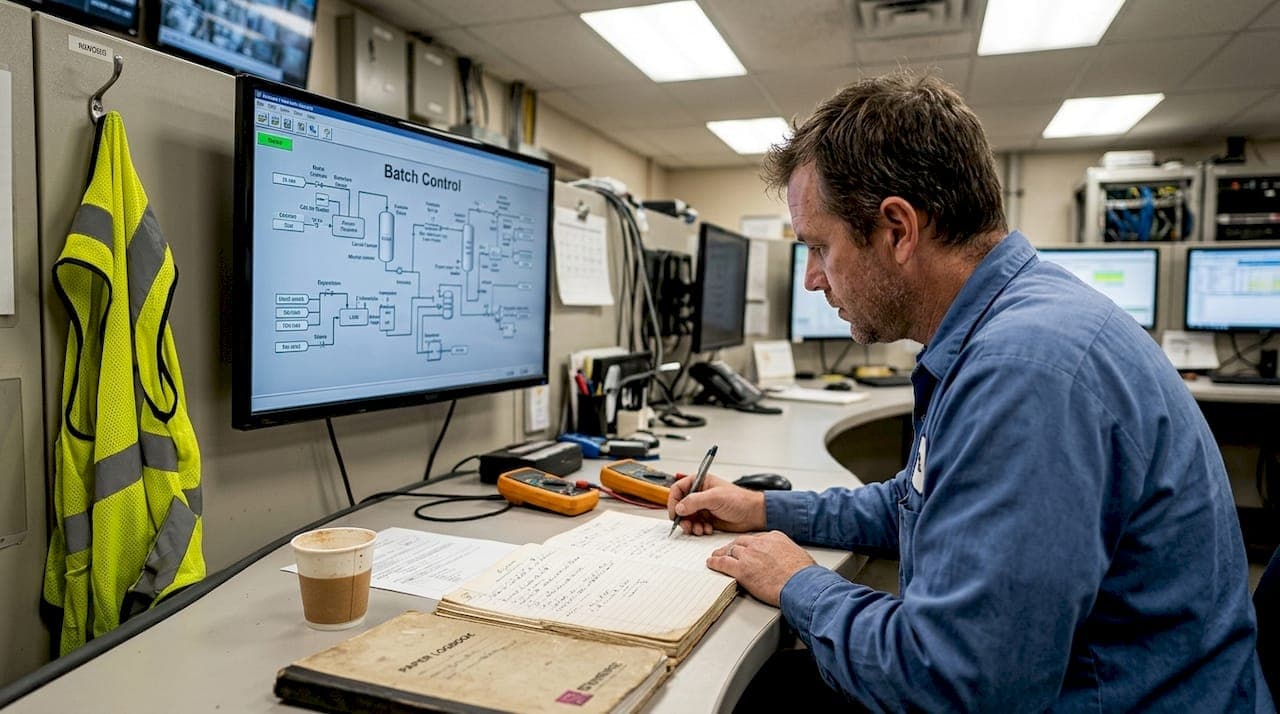
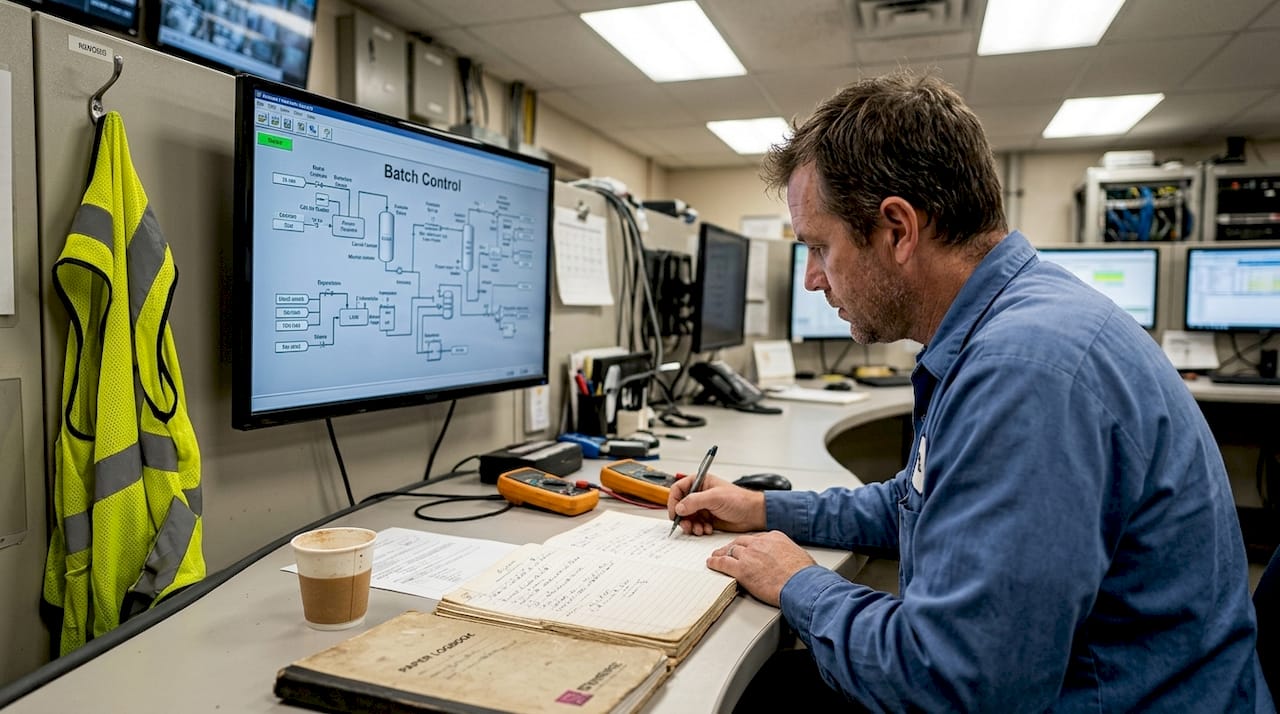
DuPont's semiconductor solvent plant illustrates what a well-structured modernization project looks like in practice. The facility had been running legacy batch control systems that were difficult to modify, prone to programming errors, and limited in throughput capacity. The engineering challenge was significant: upgrade without disrupting active production.
The modernization followed a clear sequence:
- Migrate from legacy batch controllers to a PlantPAx Distributed Control System (DCS).
- Implement FactoryTalk Batch software for centralized recipe management.
- Standardize all recipes under the ISA-88 batch control model.
- Validate each stage before moving to the next line.
- Retrain operators on the new interface and reporting structure.
The results were quantifiable and repeatable. DuPont reduced programming time by 40% while simultaneously increasing batch throughput and driving measurable revenue growth.
"The standardized recipe approach didn't just reduce errors — it gave engineers the flexibility to optimize formulations without rewriting control logic from scratch."
The ISA-88 model was critical here. By separating the recipe logic from the equipment control layer, the team could modify batch parameters without touching the underlying automation for process improvements. This architectural decision alone reduced project risk substantially and shortened validation cycles. It also made operator retention easier, since the new interface was more intuitive than the legacy system.
Semiconductor fabs: Cobots and AI fleet management for 24/7 cleanrooms
Cleanroom environments present a unique automation challenge. Human presence introduces contamination risk, fatigue degrades handling precision, and the cost of a single wafer defect can be enormous. This is exactly the environment where collaborative robots (cobots) paired with autonomous mobile robots (AMRs) and AI fleet management deliver transformational outcomes.
One semiconductor facility deployed KUKA KMR iiwa cobots with AMRs and an AI-driven fleet management system to handle wafer transport and loading tasks. The results reshaped operations entirely.
Key advantages of this configuration include:
- Zero-scrap wafer handling: Consistent cobot movements eliminate the micro-vibration and grip inconsistency that cause damage during manual transfer.
- 24/7 uptime: Automated systems do not require shift rotations, break periods, or fatigue recovery time.
- Contamination reduction: Fewer human touchpoints directly lower particle counts in critical process zones.
- Dynamic task allocation: AI fleet management routes AMRs based on real-time production demand, not fixed schedules.
- Scalable deployment: Adding capacity means deploying additional units, not redesigning workflows.
For advanced facility automation at this scale, the AI layer is what separates a collection of robots from a coherent, self-optimizing system. Without intelligent fleet management, cobots and AMRs would create bottlenecks rather than eliminate them.
Pro Tip: When deploying AMR fleets, prioritize AI fleet management software that integrates directly with your MES (Manufacturing Execution System). This connection enables real-time demand signaling, which cuts idle robot time by a significant margin.
bwm GmbH: Servo upgrades reducing cycle time
bwm GmbH, a German engineering firm, faced a discrete manufacturing challenge familiar to many equipment builders: their CNC tray feeder system was operating at a cycle time that limited overall line throughput. The mechanical design was sound, but the motion control architecture was constraining performance.
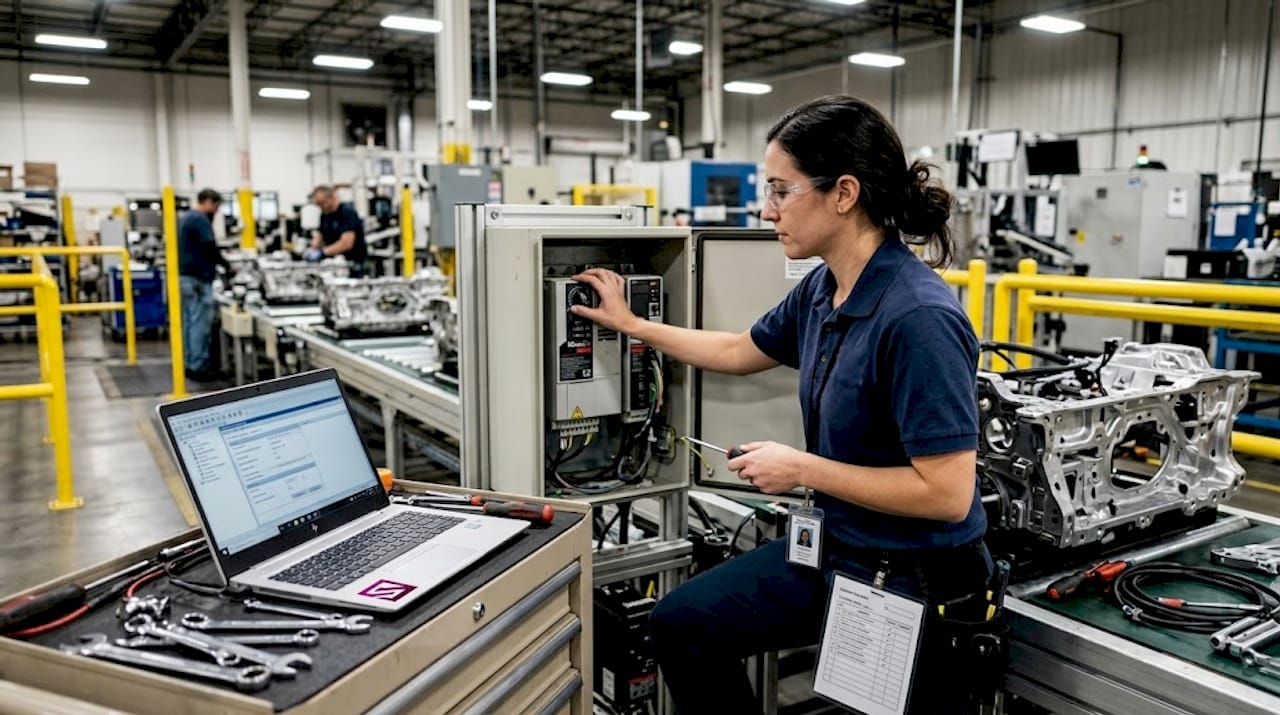
The engineering team upgraded the control system to an Allen-Bradley programmable automation controller (PAC) with Kinetix servo drives, connected via EtherNet/IP. The outcome was immediate and measurable.
| Metric | Before upgrade | After upgrade |
|---|---|---|
| Cycle time | 20 seconds | 14 seconds |
| Cycle time reduction | — | 25% |
| Network protocol | Proprietary serial | EtherNet/IP |
| Motion controller | Legacy PLC | Allen-Bradley PAC |
| Servo platform | Fixed-speed drives | Kinetix servo drives |
Cycle time dropped 25%, moving from 20 seconds to 14 seconds per tray. For a high-volume production environment, that reduction compounds across millions of cycles annually.
Practical takeaways from this project:
- Servo-based motion control enables programmable speed and torque profiles, not just fixed-speed operation.
- EtherNet/IP standardization simplifies diagnostics and reduces integration cost with upstream systems.
- PAC architecture supports future expansion without replacing the control platform.
- The intelligent sensing in automation layer embedded in modern servo systems provides real-time fault detection that legacy drives cannot match.
Process, discrete, and hybrid automation: Matching solutions to needs
Not every automation investment fits the same category. Understanding the three primary automation types helps you select the right architecture before committing resources.
| Automation type | Ideal application | Key technology | Primary limitation |
|---|---|---|---|
| Process | Chemicals, food, pharma | DCS, analog loops, flow sensors | Less flexible for high-mix production |
| Discrete | Assembly, machining, robotics | PLC, servo, vision systems | Less suited for continuous flow |
| Hybrid | Pharma fill-and-finish, food packaging | Combined DCS and PLC | Higher integration complexity |
Discrete vs. process automation is a foundational question every project team must answer early. The US auto sector alone has deployed over 33,000 discrete robots, reflecting the dominance of PLC-based discrete control in high-volume assembly environments.
To determine which type fits your next project, work through these questions:
- Is your production process continuous or batch-based?
- Does your product mix change frequently, or is it stable?
- Are your quality control points analog (flow, temperature, pressure) or event-driven (pass/fail, dimension check)?
- What integration standards does your existing infrastructure support?
- What is your tolerance for integration complexity versus operational flexibility?
The advantages of sensing solutions differ significantly between automation types. Process automation relies on continuous analog sensing, while discrete automation depends on advanced sensors for automation like vision systems and proximity switches for event detection.
Our perspective: Why automation ROI depends on architecture, not ambition
We work with manufacturers and operators across industrial automation, infrastructure, and physical security contexts. One pattern emerges consistently: organizations that achieve the best automation outcomes are not the ones with the largest budgets or the most aggressive timelines. They are the ones that invest in architectural clarity first.
The DuPont and bwm cases both succeed because the teams defined the architecture before selecting the technology. ISA-88 recipe separation, EtherNet/IP standardization, PAC-based motion control — these are architectural decisions that make every downstream task easier. The cobot and AMR deployment succeeds because the AI fleet layer was treated as a core system, not an add-on.
The uncomfortable reality is that most automation projects underperform because technology selection happens before system design. A servo upgrade without EtherNet/IP alignment creates an isolated island. A cobot deployment without fleet management intelligence creates a scheduling problem. Sensor networks without standardized integration protocols create data silos.
Our recommendation: treat every automation project as an architecture decision first, and a technology procurement second. Define the operational objective, map the integration requirements, and then select the hardware and software stack that fits. This sequence consistently produces better outcomes than starting with a preferred vendor or platform and working backward.
How BeyondSensor supports your automation and security infrastructure
The automation examples in this article share a common thread: precision sensing, intelligent integration, and reliable data flow are what make them work at scale. At BeyondSensor, we specialize in exactly that layer.
Our sensor-based solutions and ecosystem integration services are designed for manufacturers and industrial operators who need reliable, standards-aligned technology that fits into existing architectures without friction. From intelligent sensing platforms to physical security integration across Singapore, Malaysia, the Philippines, and Southeast Asia, we bring localized expertise to complex deployment environments. If you are planning an automation upgrade or building out a secure operational infrastructure, our team can help you map the right sensing architecture for your specific environment and scale.
Frequently asked questions
What is the difference between discrete and process automation?
Discrete automation controls individual events using PLCs and is ideal for assembly lines and robotics, while process automation uses DCS and analog control loops for continuous operations like chemical processing or food production.
How do automation standards like ISA-88 and ISA-95 help integration?
ISA-88 and ISA-95 provide consistent models for recipe management and system hierarchy, reducing integration effort and lowering project risk during phased upgrades.
What's an example of automation improving both throughput and quality?
KUKA cobots with AI fleet management in semiconductor cleanrooms achieved zero scrap and 24/7 operation, proving that automated handling can simultaneously raise throughput and product quality.
Why are phased automation upgrades less risky than full replacements?
Phased upgrades let teams validate each modernization step before proceeding, which limits production downtime and isolates troubleshooting to individual system segments rather than the entire facility.
Recommended
- How sensor technology drives smarter industrial automation | News | BeyondSensor
- Real-time sensing: Core mechanics, applications, and benefits | News | BeyondSensor
- Optimize physical security workflows with advanced sensors | News | BeyondSensor
- Defining operational efficiency in security: insights & best practices | News | BeyondSensor
Read More Articles
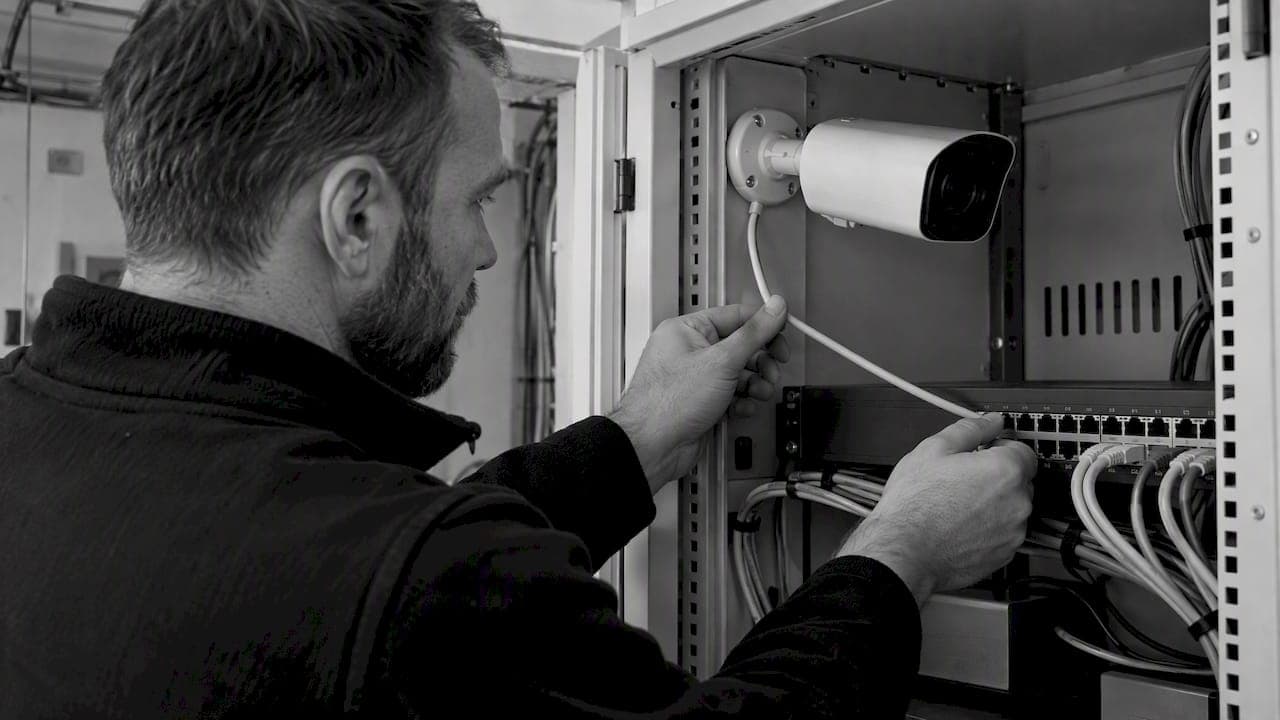
RTSP Security Risks: Integrators Must Block Exposed Ports 554 and 8554
See how integrators can reduce RTSP security risks: close exposed ports 554 and 8554, secure camera access, and verify each deployment with practical checks.
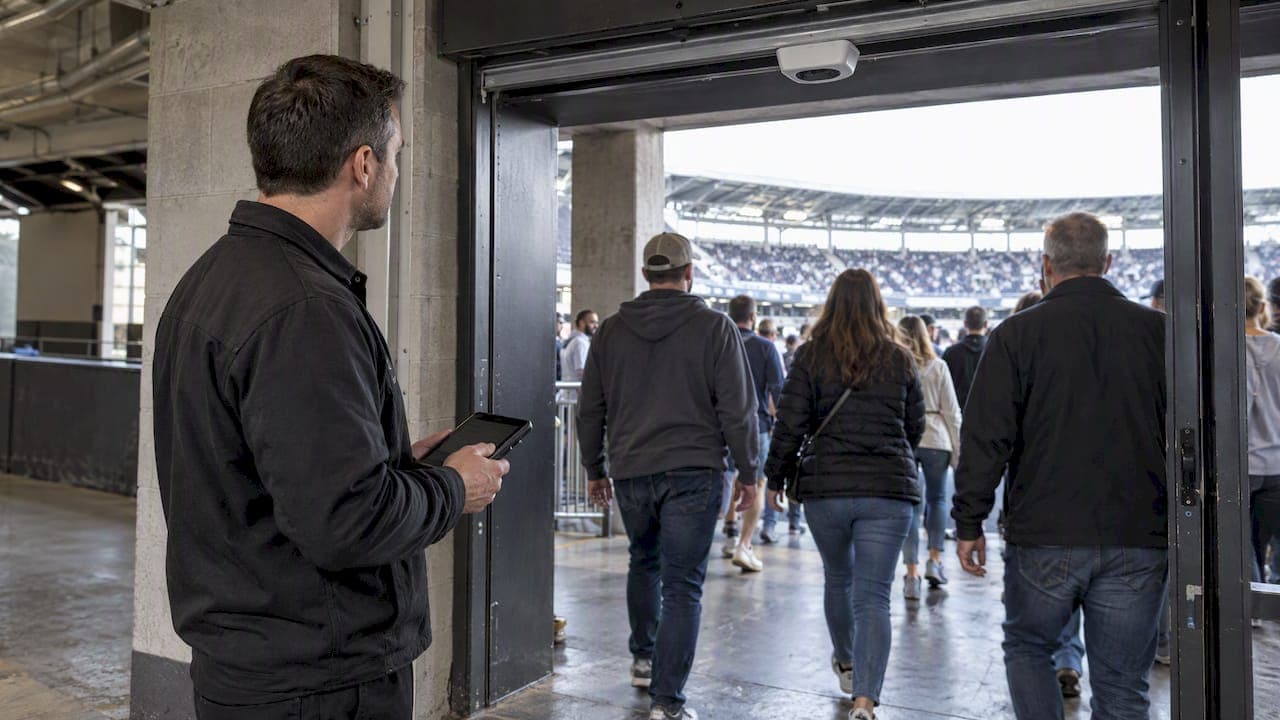
Require MAEpp and X Accuracy Before You Buy People Counting Systems
Verify people counting accuracy by demanding MAEpp, X Accuracy, and directional-bias reports. Validate on-site with at least 100 events per direction...
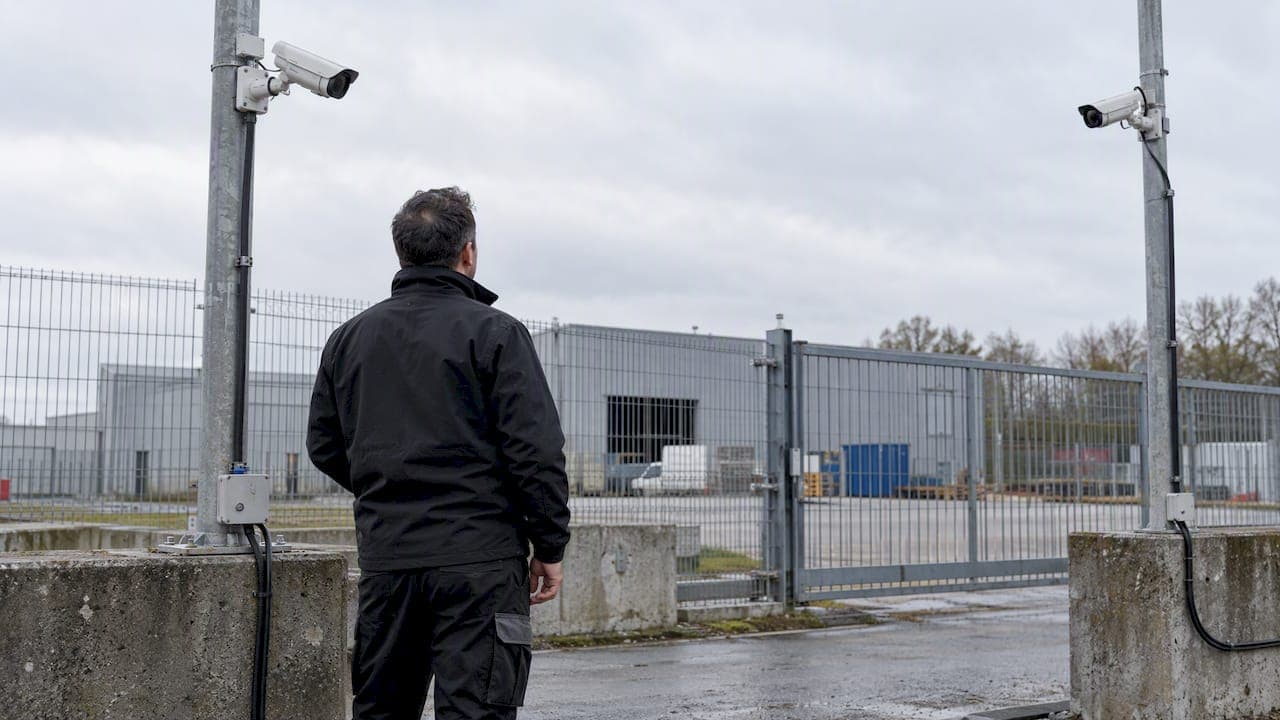
30–90 Day Pilot Validates Redundant Camera Networks for Engineers
Standards led, practical steps for engineers to deploy redundant camera networks: MRP, dual homing, and aggregation patterns, commissioning checks, and...
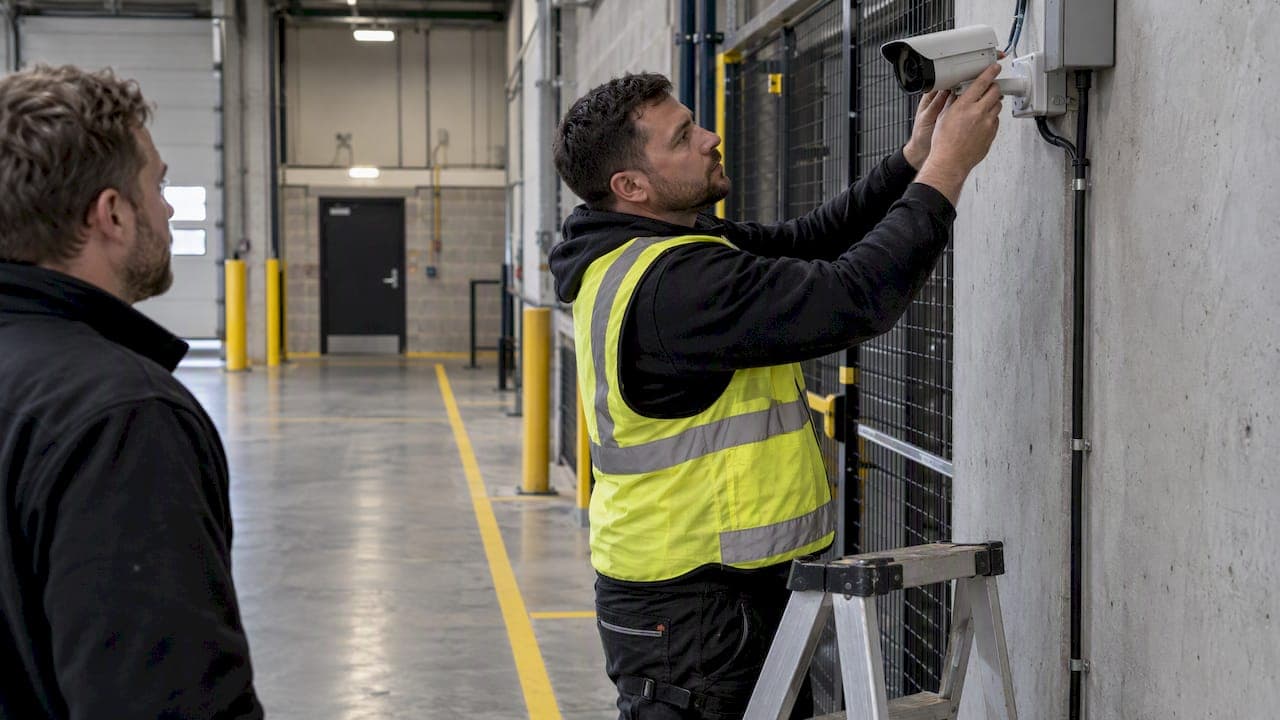
30 Day Pilot Proves Video Analytics Accuracy for Security Teams
Validate video analytics accuracy with scenario tests, camera tuning, transfer learning and a 30 day edge first pilot for security teams.
Let's Build YourSecurity Ecosystem.
Whether you're a System Integrator, Solution Provider, or an End-User looking for trusted advisory, our team is ready to help you navigate the BeyondSensor landscape.
Direct Advisory
Connect with our regional experts for tailored solutioning.