
Reduce false alarms effectively with practical steps on compliance and quick fixes. Start saving money and improve your security today.
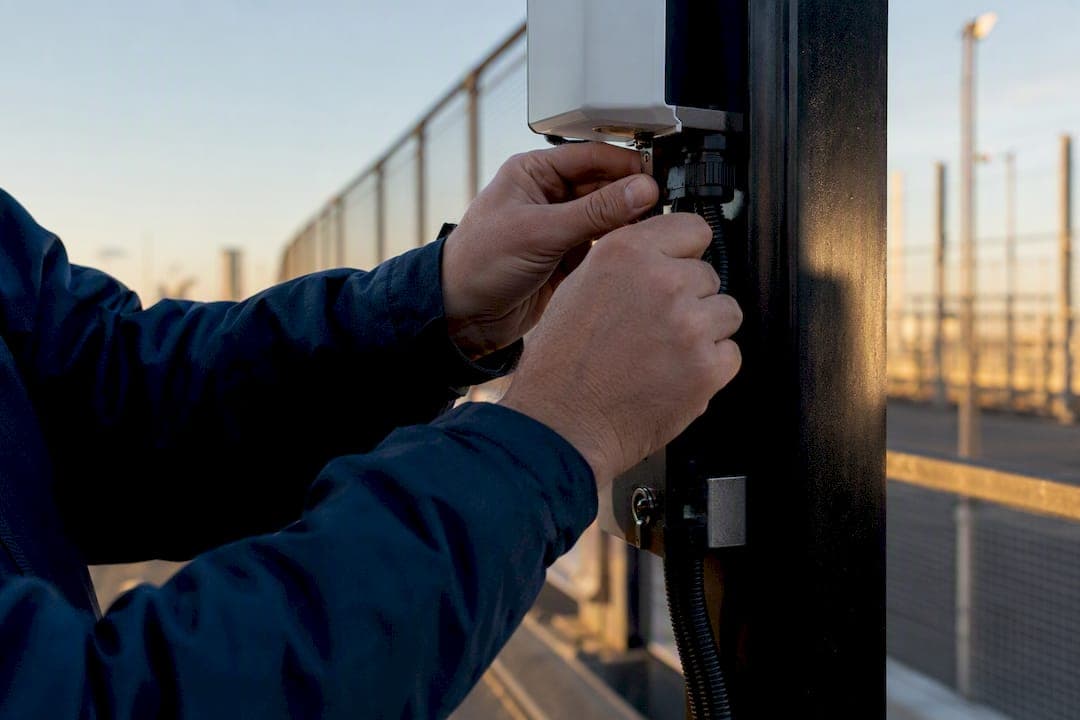
Cutting False Alarms: A Practical Reduction Playbook
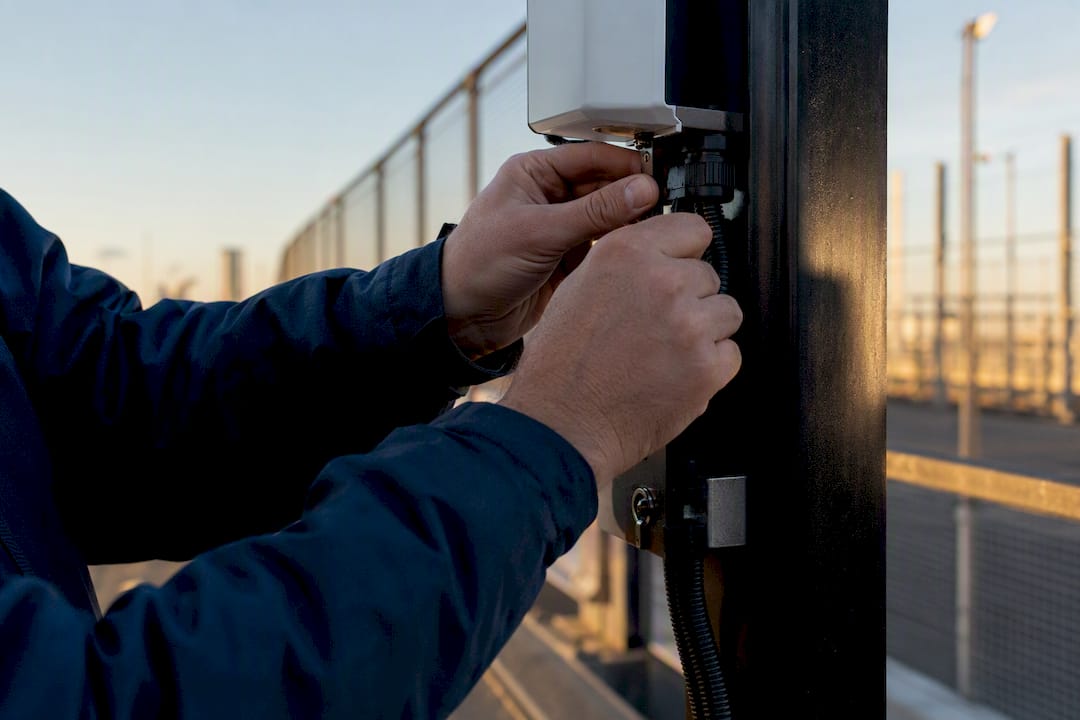
Reduce false alarms by combining three things at once: administrative compliance, quick technical fixes, and verification before dispatch. Skip any one of them and the other two only get you partway there. Start today with these steps:
- Confirm your permit status. Most municipalities require an active false alarm registration, and lapses trigger fines even on legitimate alerts.
- Apply quick device and user fixes. Reassign codes, adjust sensor placement, and retrain anyone who arms or disarms the system.
- Set entry, exit, and abort delays correctly. These panel settings alone eliminate a large share of nuisance dispatches.
Municipal programs commonly charge fees once a property crosses a small number of false alarms in a permit year, so the fastest way to save money is preventing the first few from happening.
Key Takeaways
Cutting false alarms consistently requires municipal compliance, standards-based panel settings, and verification technology working together, not any single fix alone.
| Point | Details |
|---|---|
| Register before you troubleshoot | An active permit protects you from penalty fees while you work on technical fixes. |
| Fix the cheap stuff first | User codes, sensor placement, and battery schedules resolve most nuisance triggers. |
| Enable standards-based settings | Entry delays, abort windows, and cross-zoning are low-cost, high-impact changes. |
| Track your rate monthly | A documented false alarm rate supports appeals and shows real progress. |
| Consider verification technology | Beyondsensor's sensor fusion and AI verification tools help facilities pre-screen events before escalation. |
Resources Worth Bookmarking
- SIA CP-01 standard for panel setting requirements.
- Beyondsensor's guide to essential sensing technology features.
- Beyondsensor's overview of intelligent alerting systems.
What I've Learned About Procurement Timelines
Most facilities see measurable improvement within 60 to 90 days of tightening settings and audit practices, but full ROI on verification technology usually takes two to three billing cycles to show clearly. The most common procurement mistake isn't picking the wrong vendor. It's launching a pilot without agreeing on what "success" looks like first, which turns every review meeting into a debate about metrics instead of results.
— Eumir
Getting Sensor Fusion and Verification Right the First Time
Most facilities patch false alarms one complaint at a time, which is exactly why the fees keep coming back. Beyondsensor takes a different approach: sensor fusion and AI verification built to correlate signals before an alert ever reaches your monitoring team, instead of dispatching on a single sensor's word.

That matters most in the zones where nuisance alarms cost the most, loading docks, perimeter fencing, and high-traffic entries where a single motion sensor can't tell the difference between an intruder and a delivery truck's headlights. Beyondsensor's platform layers multi-sensor correlation with deduplication so your team reviews fewer, higher-confidence events rather than chasing every trigger. For system integrators and facility teams ready to pilot this in their highest-volume zone, Beyondsensor's system integrator program is the place to start that conversation.
Table of Contents
- Why False Alarm Reduction Programs Exist
- How Municipalities Calculate Fees and Penalties
- What Causes Most False Alarms and How to Fix Them Fast
- Standards-Backed Settings That Cut Nuisance Alarms
- Running an Alarm Performance Audit
- Can AI and Sensor Fusion Actually Cut False Alarms?
- What to Require From Installers and Monitoring Companies
- How to Measure Your False Alarm Rate
- Sources
Why False Alarm Reduction Programs Exist
A false alarm, in most municipal codebooks, is any activation that brings a police or fire response without an actual emergency, whether it stems from user error, equipment failure, or a wandering pet. Cities built enforcement programs around this because unnecessary dispatches burn officer hours and delay real emergencies. The typical program includes:
- Registration or permitting tied to the address, not the equipment.
- A free threshold, often just one to three alarms before fees start.
- Escalating fees for each additional false alarm within the permit year.
- An appeals process for disputed or verified false triggers.
Check your city or county's police or fire department website for the exact ordinance, and keep your permit number, install date, and monitoring company contact on file before you need them.
How Municipalities Calculate Fees and Penalties
Every jurisdiction writes its own ordinance, but the underlying logic repeats: give property owners a small grace allowance, then charge more as repeat incidents pile up. Unregistered systems typically face a flat penalty on the first offense, sometimes higher than a registered property would pay for several avoidable alarms combined. A few patterns show up across cities:
- Registration fees are usually annual and modest compared to the fines that follow.
- The first one to three false alarms in a year are often free for a permitted system.
- Each alarm beyond that threshold typically carries a fee, and the amount tends to climb with each repeat incident in the same year.
- Chronic offenders can face suspended response, meaning officers won't dispatch until the account is resolved.
- Appeals generally require documentation: monitoring company incident logs, technician service records, or proof the trigger was weather, a power event, or a verified break-in attempt rather than negligence.
Keep every service ticket and monitoring log. That paperwork is what turns a denied appeal into a waived fee.
What Causes Most False Alarms and How to Fix Them Fast
Three categories account for the overwhelming majority of nuisance dispatches: people, environment, and hardware. Each has a fix you can apply without waiting on a full system overhaul.
User error is the most common and the cheapest to solve. Shared codes, rushed disarming, and unfamiliar guests trigger a large share of false alarms. Fix it with individual user codes, clear signage near entry points, and a five-minute walkthrough for anyone new to the system.
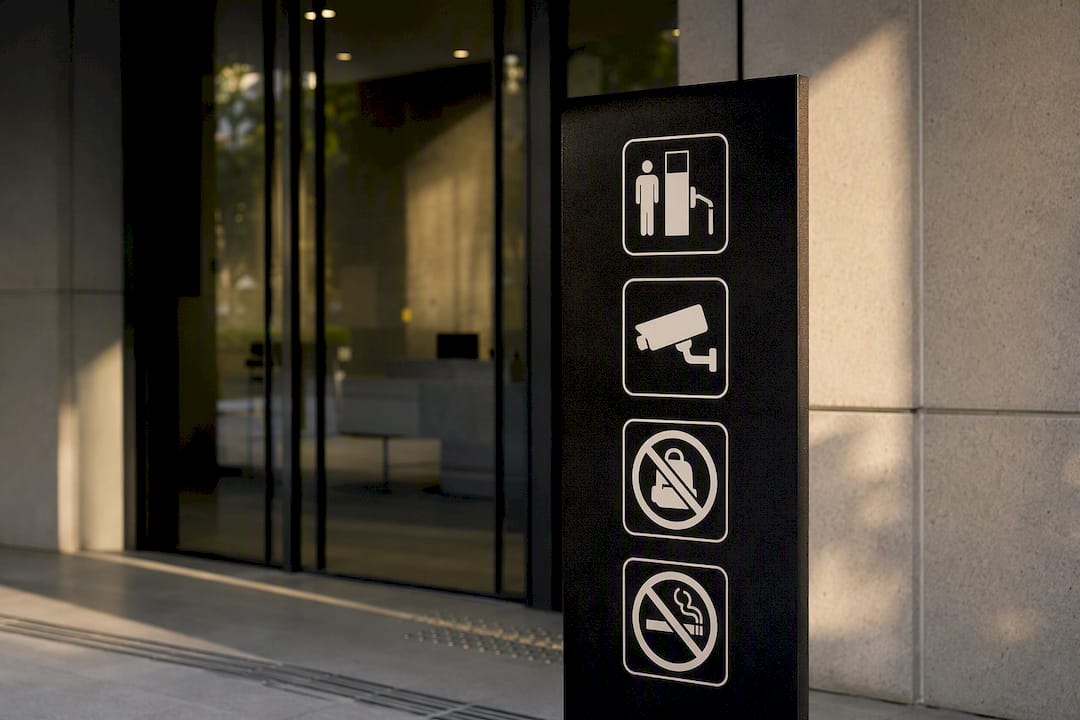
Environmental triggers include pets, HVAC drafts, sunlight hitting a sensor, and loose window contacts. Reposition motion sensors away from vents and direct light, use pet-immune detection where animals are present, and inspect door and window contacts seasonally as buildings shift.
Hardware and installer issues show up as low batteries, oversensitive detectors, or sensors placed too close to moving equipment. A technician visit to recalibrate sensitivity or relocate a poorly placed unit often resolves a recurring problem that no amount of user training will fix.
- Reassign and rotate access codes when staff turnover happens.
- Replace backup batteries on a fixed schedule, not just when they die.
- Log every false alarm with a timestamp and suspected cause to spot patterns.
Pro Tip: Track false alarms by zone and time of day for 30 days before calling your installer. A pattern that only happens at 6 a.m. near the loading dock points to HVAC or sunlight, not a bad sensor.
Standards-Backed Settings That Cut Nuisance Alarms
Alarm panels ship with adjustable features that exist specifically to separate real intrusions from noise, and most installers can enable them during a routine service call. The SIA CP-01 standard defines several of these as baseline expectations for compliant systems:
- Entry and exit delays give occupants time to disarm before the system escalates, with a recommended minimum entry delay of 30 seconds.
- Abort windows let a user cancel an accidental trigger before it reaches the monitoring center.
- Cross-zoning requires two sensors to trip in sequence before dispatch, filtering out isolated glitches.
- Swinger shutdown stops a single faulty zone from flooding the monitoring center with repeat signals.
Ask your installer directly whether these features are enabled and configured to standard defaults, not just present in the hardware.
Running an Alarm Performance Audit
Reducing false alarms at the facility level works best as an ongoing program, not a one-time fix. Alarm rationalization guidance from process-control and building-automation fields applies just as well to physical security: document rules, review regularly, and control changes.
- Pull 90 days of alarm history and rank zones by trigger frequency to find your worst offenders.
- Document arming and disarming rules by time of day, since a warehouse loading dock has different risk hours than an office lobby.
- Set verification or suppression policies for zones with recurring nuisance patterns while a hardware fix is pending.
- Coordinate with your monitoring company and local responders on a test plan, and keep every test log as evidence if you need to appeal a fee later.
Can AI and Sensor Fusion Actually Cut False Alarms?
Yes, and the improvement is often dramatic rather than incremental. Industry case material shows that combining deduplication, machine-learning filtering, and AI verification can reduce false alarms by 70 to 90 percent when paired with the operational changes described above.
The mechanics matter more than the marketing. Sensor fusion correlates signals across space and time, so a genuine intrusion sequence, perimeter breach, approach, entry, interior movement, scores far higher confidence than an isolated trigger from a gust of wind. Layered on top, AI verification methods including object recognition, acoustic classification, and behavioral modeling pre-screen motion events before they ever reach a human operator.
- Deduplication collapses repeated signals from one incident into a single alert, cutting operator workload immediately.
- Sensor fusion raises confidence thresholds before escalation, reducing single-sensor false positives.
- AI verification acts as a filter layer, not a replacement for correct device settings.
Pilot this in your highest-volume zone first, track your false-alarm rate weekly, and watch for model drift as seasons and site conditions change.
What to Require From Installers and Monitoring Companies
A vendor relationship that doesn't hold you accountable to documented settings will drift back toward nuisance alarms within months. Build these expectations into your contract from the start:
- Request exported panel settings and written calibration proof after every service visit.
- Require test logs for entry delays, abort windows, and cross-zoning configurations.
- Ask your monitoring company exactly how they verify an event before dispatching a response, video, audio, or cross-referenced sensor data.
- Put configuration retention language in your service-level agreement so settings aren't quietly reset during future maintenance.
Partners like FirstWatch illustrate how monitoring and emergency-response workflows structure verification steps before escalation, a useful reference point when negotiating your own SLA language.
How to Measure Your False Alarm Rate
Your false alarm rate is simply false alarms divided by total alarm activations over a given period, expressed as a percentage. Most facility managers track this monthly and aim for a steady downward trend rather than a single dramatic drop.
| Metric | What to track |
|---|---|
| False alarm rate | False alarms ÷ total activations, tracked monthly |
| Repeat offenders | Zones or sensors triggering more than once per month |
| Time to resolution | Days between flagged issue and technician fix |
| Appeal evidence | Service logs, calibration records, and test dates on file |
Feed these numbers into a simple dashboard or spreadsheet. That log becomes your audit trail the moment you need to appeal a municipal fee.
Sources
- How to Reduce Physical Security False Alarms by 90% — HiveWatch
- How AI Helps Reduce False Alarms in Security Systems — OpenDataScience
Recommended
Read More Articles

Buy Right: Gunshot Detection for Security Teams, 8 Questions
A specifier's playbook for gunshot detection: procurement and commissioning checklists, 8 vendor questions, verification steps, and a 3–6 month pilot rule.

Cut False Alarms with Edge AI Thermal Analytics for Security Teams
Procurement-minded guidance for security teams and facility managers on deploying edge-based thermal analytics: reduce false alarms, verify geospatial...

Remote Site Monitoring: 72 Hour Buffering, Procurement Checks, and ROI
Operator focused technical guide to remote site monitoring. Specify sensors and gateways, sequence pilots, avoid vendor lock-in, and prove ROI.

3–6 Month Pilot: PSIM Driven SOC Setup for Integrators
Integration-first playbook for integrators and facilities teams: inventory devices, write open-API RFPs, run a 3–6 month pilot, measure KPIs, and cut...
Let's Build YourSecurity Ecosystem.
Whether you're a System Integrator, Solution Provider, or an End-User looking for trusted advisory, our team is ready to help you navigate the BeyondSensor landscape.
Direct Advisory
Connect with our regional experts for tailored solutioning.